Our goal is to develop crops that stay productive where water is salty, temperatures are extreme and fresh water is scarce. The Salt Lab, known as the Salties, is a plant science research group at King Abdullah University of Science and Technology (KAUST), led by Professor Mark Tester. We study how plants tolerate environmental stress at the genetic, molecular and physiological levels, and we use that knowledge to breed more resilient crops for arid regions.
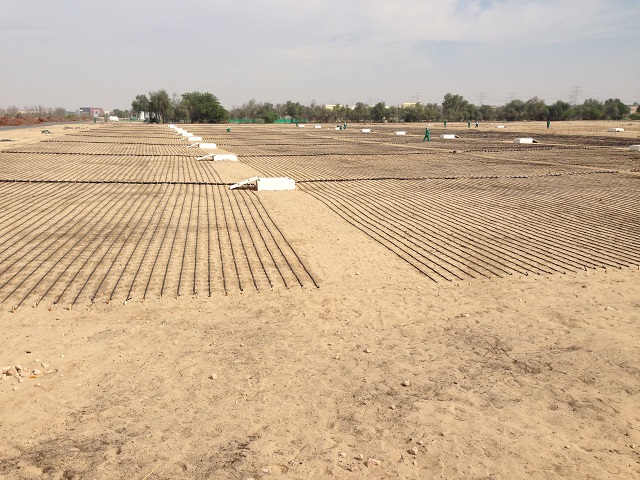
Most crops lose yield when soils turn saline, when irrigation water is brackish, or when heat strikes during flowering. These conditions already define agriculture across the Arabian Peninsula, and climate change is spreading them to many other farming regions.
In Saudi Arabia, fresh water is limited and much of the fresh produce is imported. Crops that tolerate salt, heat and disease can help growers produce more food locally, using water that conventional crops cannot use. Our long-term aspiration is to unlock seawater: an economically viable farming system in which salt-tolerant crops are irrigated with partially desalinated seawater or brackish groundwater.
We look for resilience in the wild. Wild relatives of crops, and plants such as Salicornia that grow naturally in salty habitats, carry genetic diversity that has been lost from cultivated varieties. We use these plants as a source of new traits and as models for how tolerance works.
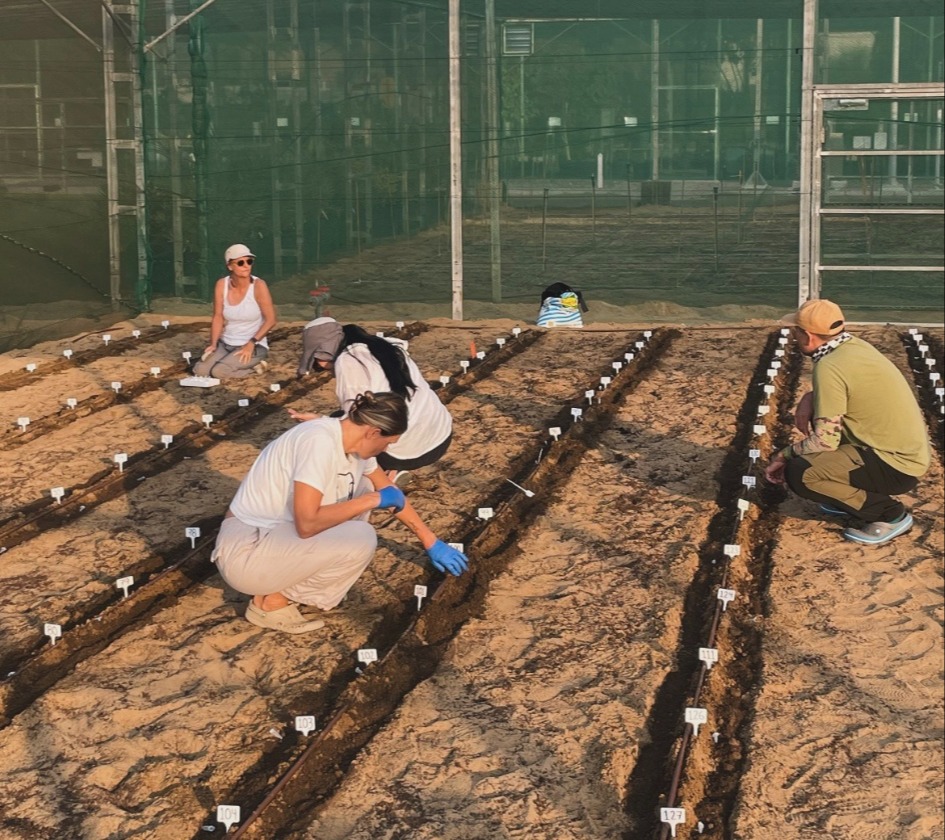
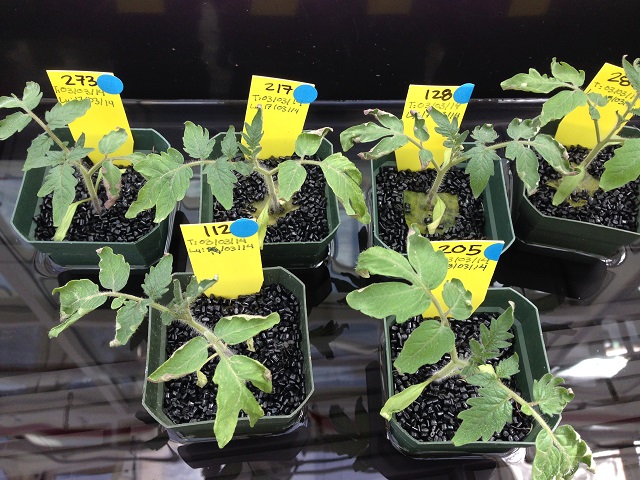
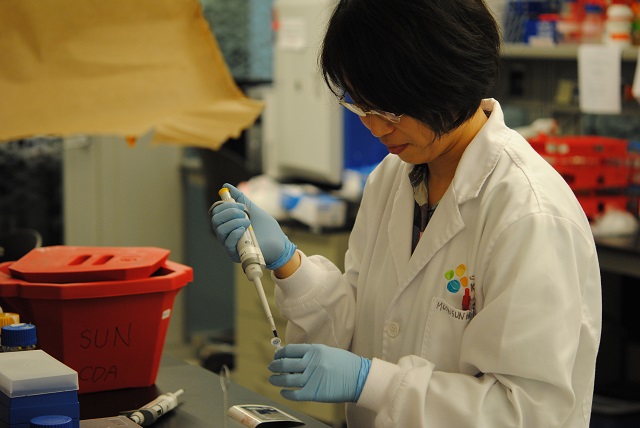
Salt tolerance is not a single trait but the sum of several mechanisms: keeping sodium out of the leaves, maintaining growth under osmotic stress, and safely storing salt inside cells. To dissect complex traits like these, we integrate genetics and genomics with plant physiology, high-throughput phenotyping and breeding. Our work runs from discovery, identifying the genes and pathways behind tolerance, to delivery, moving useful traits into crops and testing them in the greenhouse and the field.

We aim for discoveries that reach farmers. The group developed a method for creating hybrid allotetraploid rootstocks that allows several tolerance traits to be combined quickly in one plant; patents covering this method were published in 2024, and these materials are now being adopted by major agricultural companies. Research from the lab also led to the start-up Red Sea Farms, now iyris, which develops technologies for farming in hot, water-scarce environments.
Our work contributes to KAUST's Center of Excellence for Sustainable Food Security and supports Saudi Vision 2030 and the National Biotechnology Strategy. Through hands-on research in the lab, greenhouse and field, we also train the next generation of plant scientists.
The Salties began in 2013 with one question: how do some plants thrive in salty soils while others cannot? That question still guides us, but our work now spans salt, heat, drought and disease across tomato, quinoa, watermelon and their wild relatives. The aim remains the same: to turn fundamental plant science into resilient crops that strengthen sustainable agriculture and global food security.